Category: Uncategorized

Demands on land use

Well over two thirds of the land mass of England is farmland and yet there is increasing debate about the use to which it should be put.  For forty years during and after the Second World War there was no doubt, it was to provide food for the nation, but other demands seem to have gained greater priority today.

            In 2020, a former Chief Adviser to Defra, Sir Ian Boyd called for half of our farmland to be planted to trees and wildlife habitat in order to reduce greenhouse gas emissions and reverse the decline in biodiversity.  He claimed that 50% of farmland provides just 20% of our food and that could easily be replaced by vertical farming, production in a controlled environment.  That would mean that 90% of our cattle and sheep would disappear but it would all help the fight against climate change.  A 90% drop in cattle and sheep would result in a far greater reduction in red meat and dairy products but that would be fine if we all became vegan or at least vegetarian.

Continue reading “Demands on land use”
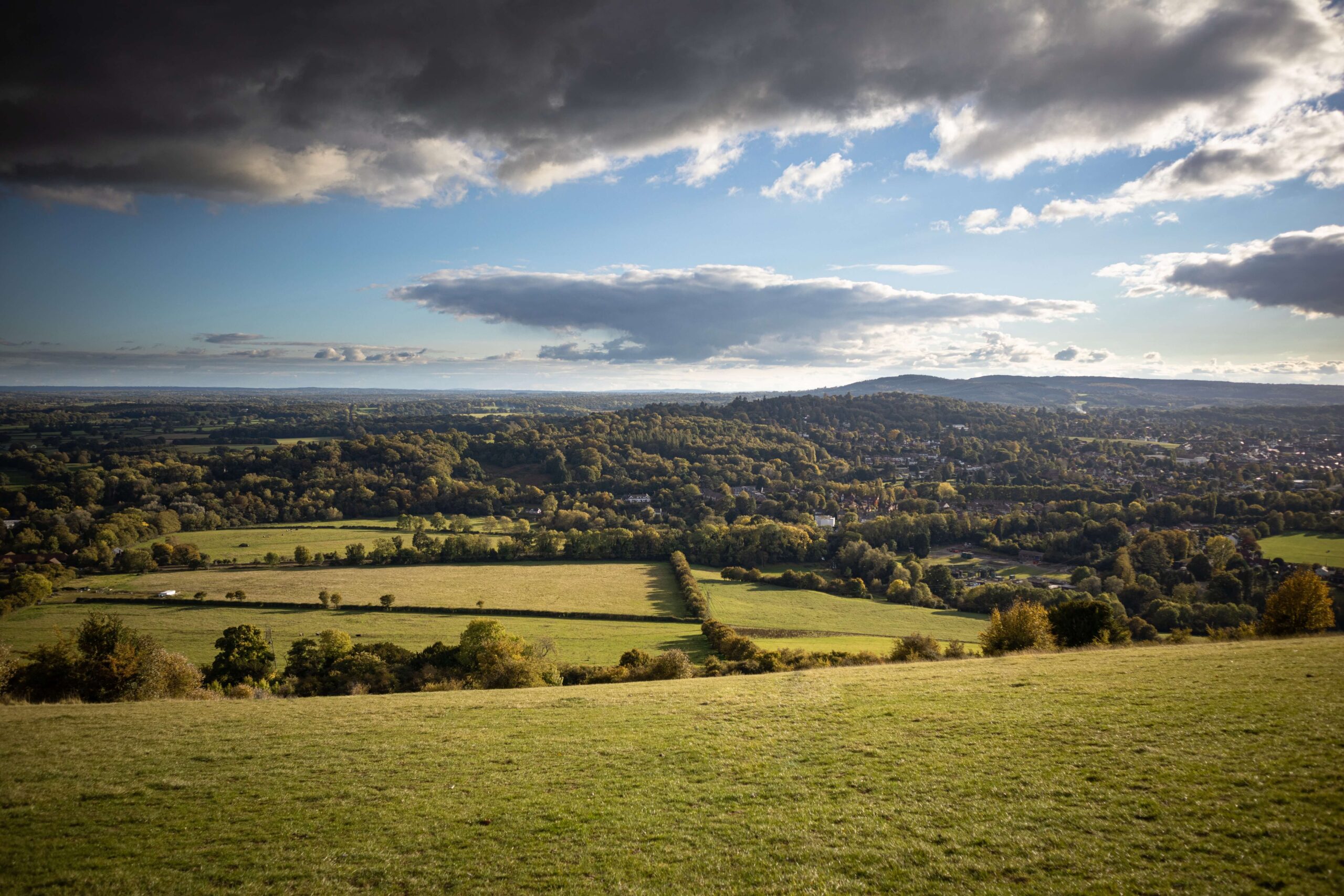
Spring Review

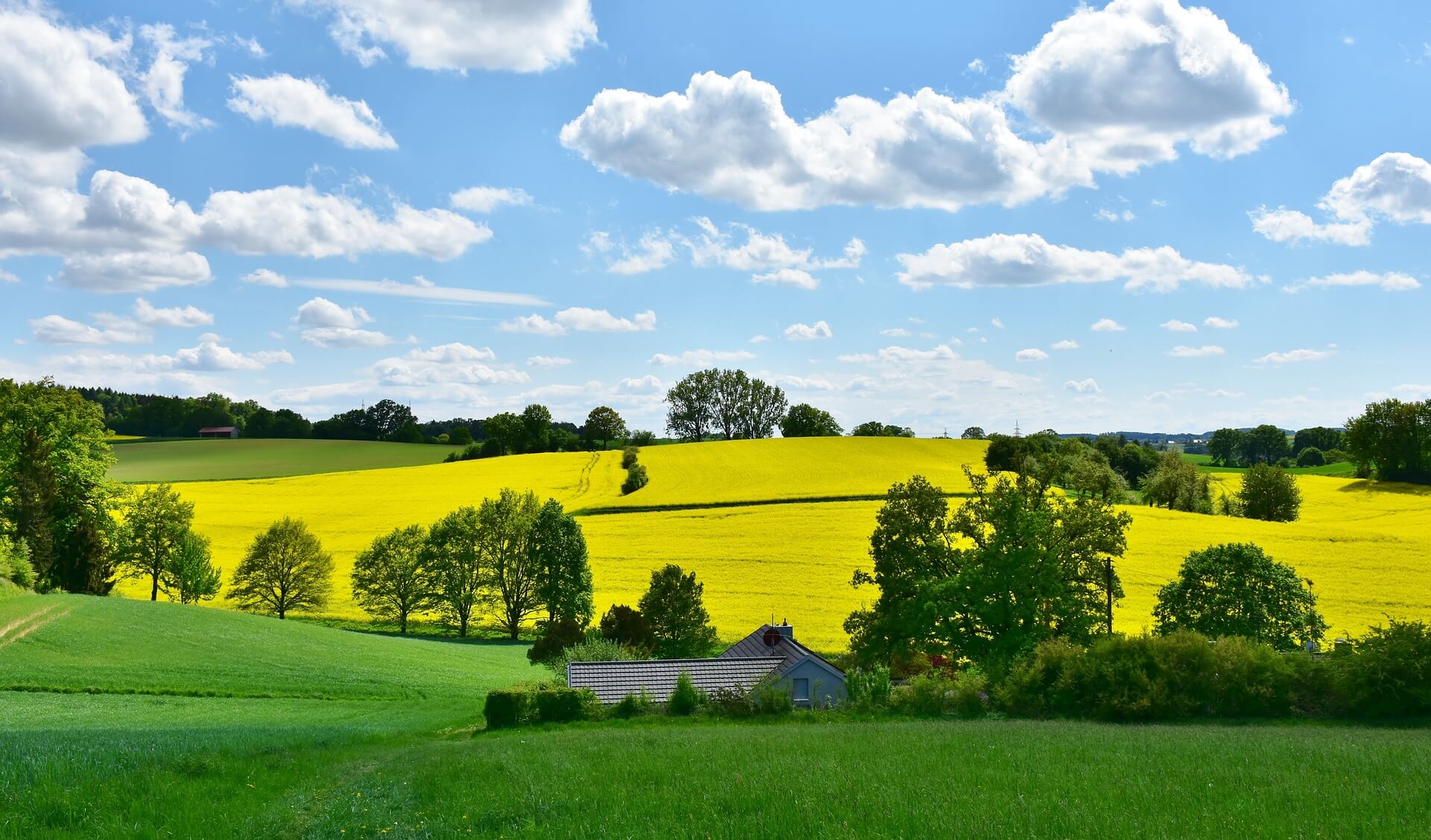
Spring is late this year, according to the National Trust, delayed by cold weather during the winter and the driest February for thirty years.  But it is now gathering pace with hedgerows bursting into leaf, daffodils in full bloom and blossom beginning to brighten up the drab winter countryside.

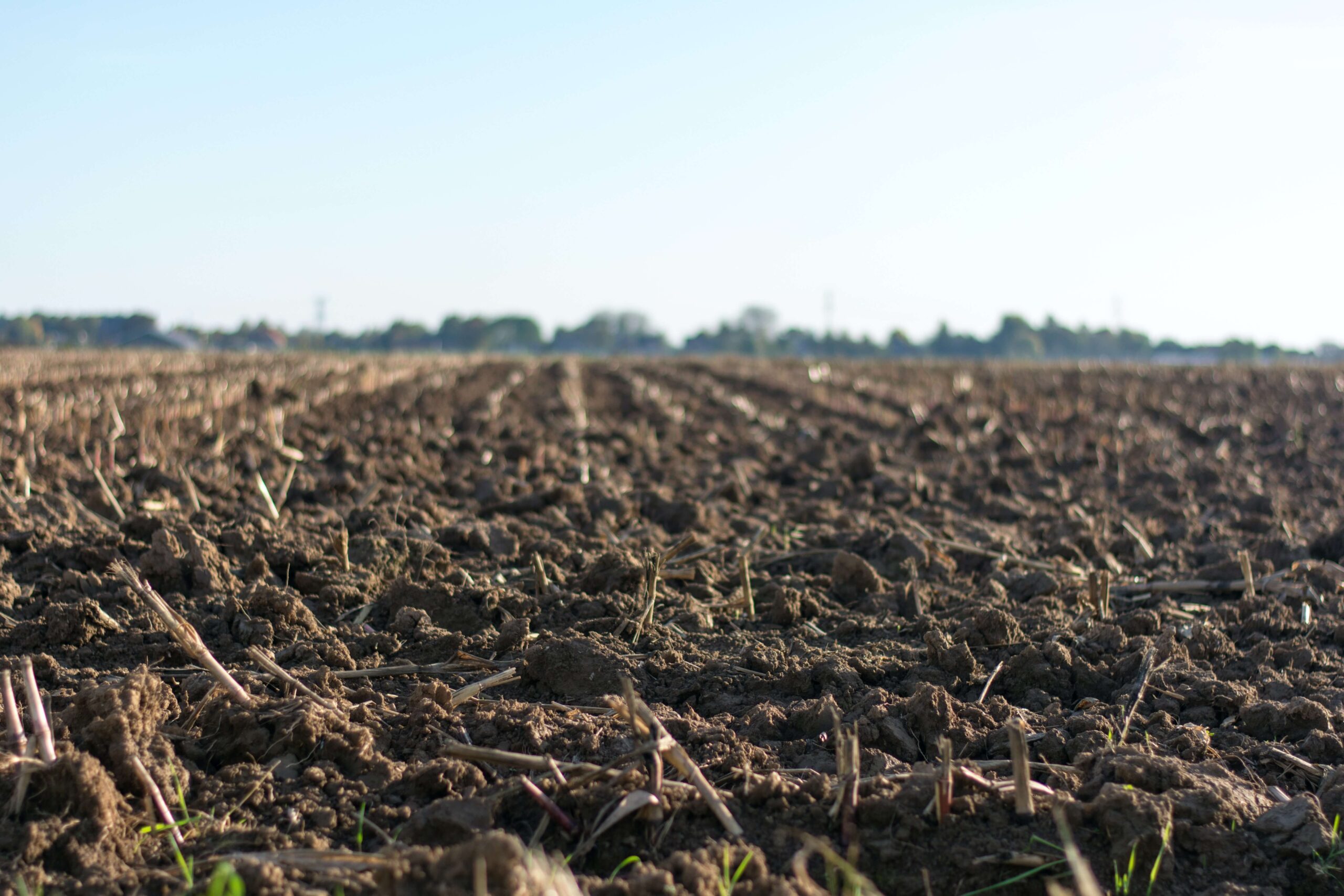
            The recent mild and wet weather has brought growth to farm crops too, although it has been more difficult to get on the land.  Sowing last autumn went very well into fine seedbeds with enough rainfall after the drought of summer for cereals to establish.  The area of winter barley is probably a little higher than the year before but the area of winter wheat may be down.  This is partly due to a lack of break crops giving a good entry for winter wheat since the area of oilseed rape has been so drastically reduced due to the prevalence of flea beetle.

Continue reading “Spring Review”

Environment Improvement Plan

The Government published its 25 year Environment Plan in January 2018 with a commitment to review and update it every five years.  The first was published last month, The Environment Improvement Plan 2023.  It reiterates many of the targets in the original document although some of them have become somewhat less ambitious.  For example, a pledge to halve the emissions of five air pollutants by 2030 has been replaced by amended targets some of which extend to 2040.  When the Secretary of State was challenged on this, she replied that any target must be achievable.

            As in the original plan, there are ten goals in total, covering clean air and water, reducing pollution, improving the use of resources, mitigation of climate change, enhancing biosecurity and health, heritage and engagement with the natural environment.  Overarching all these is the ‘apex goal’ of thriving plants and wildlife with the pledge to halt the decline in species abundance by 2030 and then increase abundance by at least 10% of 2022 levels by 2042.  To achieve this, targets include the restoration or creation of 500,000 hectares of wildlife rich habitat by 2042, restoration or creation of 140,000 hectares of wildlife rich habitat outside protected sites by 2028 and increase woodland cover from 14.5% to 16.5% of total land area in England by 2050.  There is also the international commitment to protect 30% of land and ocean by 2030.          

Continue reading “Environment Improvement Plan”

New Year Prospects

As the chimes of Big Ben usher in a New Year, as you savour the glass of fizz in front of a log fire to keep out the winter chill, it is traditional to look back at the months past and forward to the year to come.

            2022 was an unprecedented year for many reasons.  The impact of the Covid pandemic declined at least in terms of personal freedom and the threat of serious illness but left a legacy of rapidly rising inflation.  This was exacerbated massively by the Russian invasion of Ukraine in February.  The immediate effect was a huge increase in the price of oil and gas but, perhaps the most dramatic from a farmer’s point of view, was a quadrupling of the price of ammonium nitrate fertiliser.  Even as the price of oil has eased slightly, the cost of fertiliser is still at least double what it was eighteen months ago.

Continue reading “New Year Prospects”

Christmas message

Life must have been grim under Oliver Cromwell’s puritan regime during the Commonwealth of the 1650s.  Even Christmas was abolished.  Mind you, life is fairly gloomy today with one Christmas effectively cancelled caused by Covid lockdowns, paralysis of many public services, especially transport, and a squeeze on household budgets due to high inflation.  But back in 1660, with the restoration of Charles II, Christmas was revived and, over the years, became more of an excuse for a secular festival than a religious celebration.

Christmas is a time of joy, of roaring log fires, of family gatherings.  Over three or four days, we eat and drink too much, we exchange gifts and visit members of our families whom we see rarely at other times of year.  What began as a couple of days off has become a fortnight’s holiday, two weeks when the whole country closes down.

            In the commercial razzmatazz, we tend to lose the real point of Christmas.  Even the tradition of Christmas carols has become so hackneyed, with piped versions playing in all shopping precincts, that few ever consider the words or the meaning they convey.  A decreasing number of us go to church to celebrate the birth of Christ and spread the message of ‘peace on earth, goodwill toward men’.  There is precious little sign of that in the Holy Land where it all began two thousand years ago but, then, neither side is Christian. 

Continue reading “Christmas message”

The Country Food Trust

There have been some fundamental changes to all of our lives over the past six years, the Brexit referendum, the Covid pandemic and the Russian invasion of Ukraine.  It is hard to overestimate the impact of these events.

            The most obvious result has been inflation bringing a cost of living crisis, particularly in food and energy.  It is shocking that, according to the latest figures, almost ten million people in this country are struggling to feed themselves adequately and, for many, it is a choice between food and warmth.  Fortunately, the weather has been exceptionally mild this autumn but there are months of winter still to come.

            Food prices rose by 16.2% in the year to October but the cost of many basic foodstuffs has risen far higher than that.  Milk is 65% more expensive than a year ago, eggs 22%, pasta 34%, flour and cereals 28%.  Problems started in the fruit and vegetable sector when the Brexit vote resulted in far fewer European workers coming to the UK for harvest, resulting in crops rotting in the fields.  This year, the situation has been exacerbated by summer drought bringing poor yields, especially for root vegetables.  The shortage of labour also had an impact on other areas of the food and hospitality industry.

            Covid brought its own problems, particularly for hospitality, with knock-on effects throughout the food chain.  Then the war in Ukraine disrupted trade in goods from oil and gas to wheat, oilseed and fertiliser.  The impact was profound with rampant inflation of costs in energy, food, transport and labour.  The increase in the cost of nitrate fertiliser, from less than £300 to over £800 per tonne, pushed up the price of wheat and other crops.  That raised the price of animal feed and thus the cost of dairy products, meat and eggs.

Continue reading “The Country Food Trust”

Access to the countryside

It was during the Covid lockdowns that the benefit to health and wellbeing of fresh air and exercise became more widely recognised.  Leaving home for a walk was one of the few legitimate reasons to breach the curfew.

            We have an extensive network of rights of way in England, over 140,000 miles of footpaths, bridleway and byways.  They are recorded on the Definitive Map which is maintained by local authorities and came into existence due to the National Parks and Access to the Countryside Act 1949.  Most were recorded in the 1950s when there were far fewer using them than there are today.  As a result, it might be argued that not enough care was taken to ensure that they gave appropriate access to the countryside.  Certainly, many are not in the best place for the recreational user of the 21st century, leading straight through a busy commercial farmyard for example.

Continue reading “Access to the countryside”

Avian influenza

The country is in the grip of an epidemic caused by a virus that is bringing massive loss of life.  It is not Covid, although that is still with us, and the mortality is amongst birds not humans.  Avian influenza or bird ‘flu has become a serious threat.

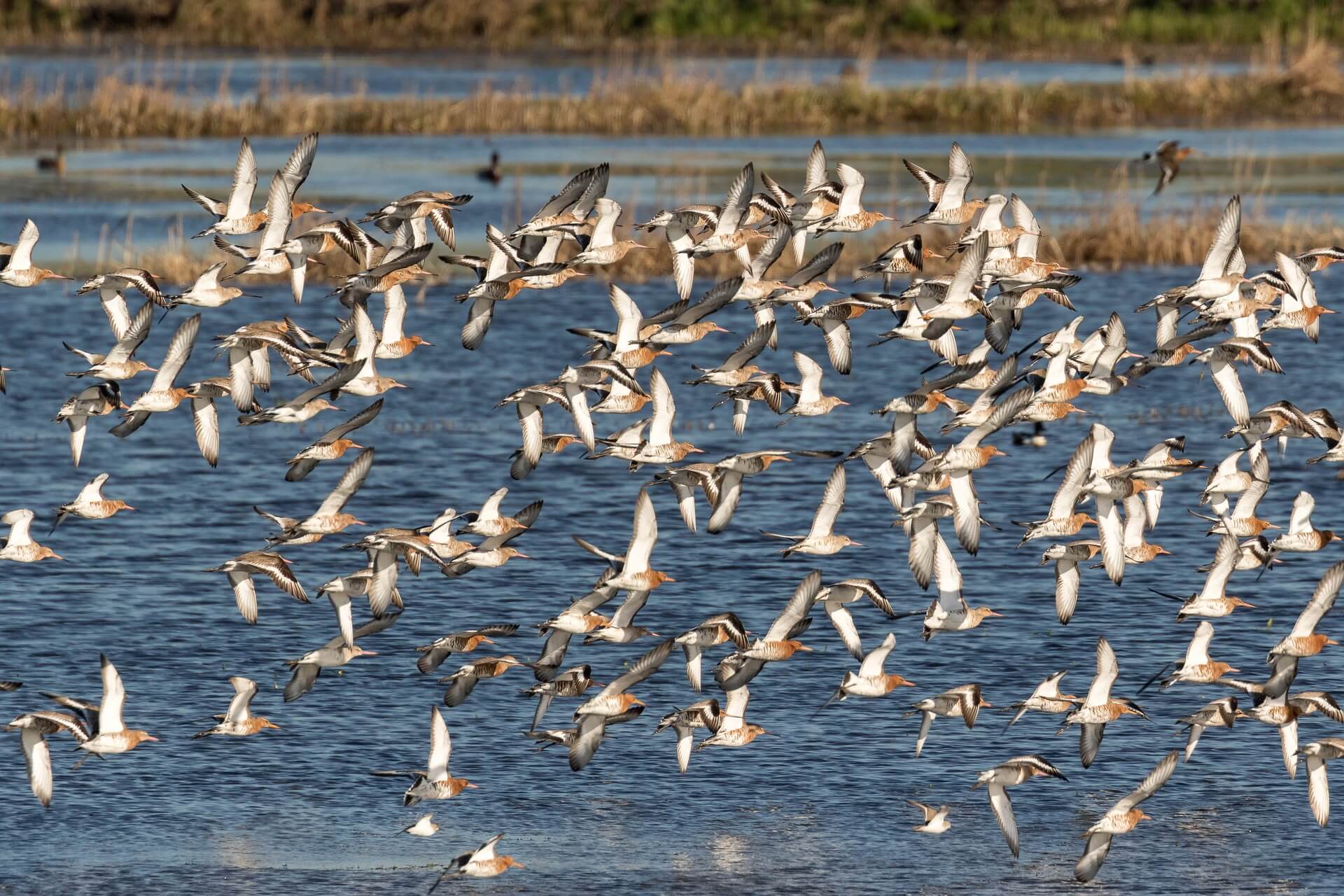
            It is not supposed to be like this, at least it used not to be.  The spread of bird ‘flu was thought to be caused by migratory birds so the outbreaks occurred when birds come here for the winter and died away in summer.  But now it seems to have become endemic and is with us all the year perhaps because it has become established in seabirds.  Around the coast of the British Isles we have some of the most important colonies of seabirds in the world.  The Farne Islands off Northumberland, for example, are home to around 200,000 including Arctic terns, Atlantic puffins, guillemots, kittiwakes and razorbills. 

Continue reading “Avian influenza”

Autumn

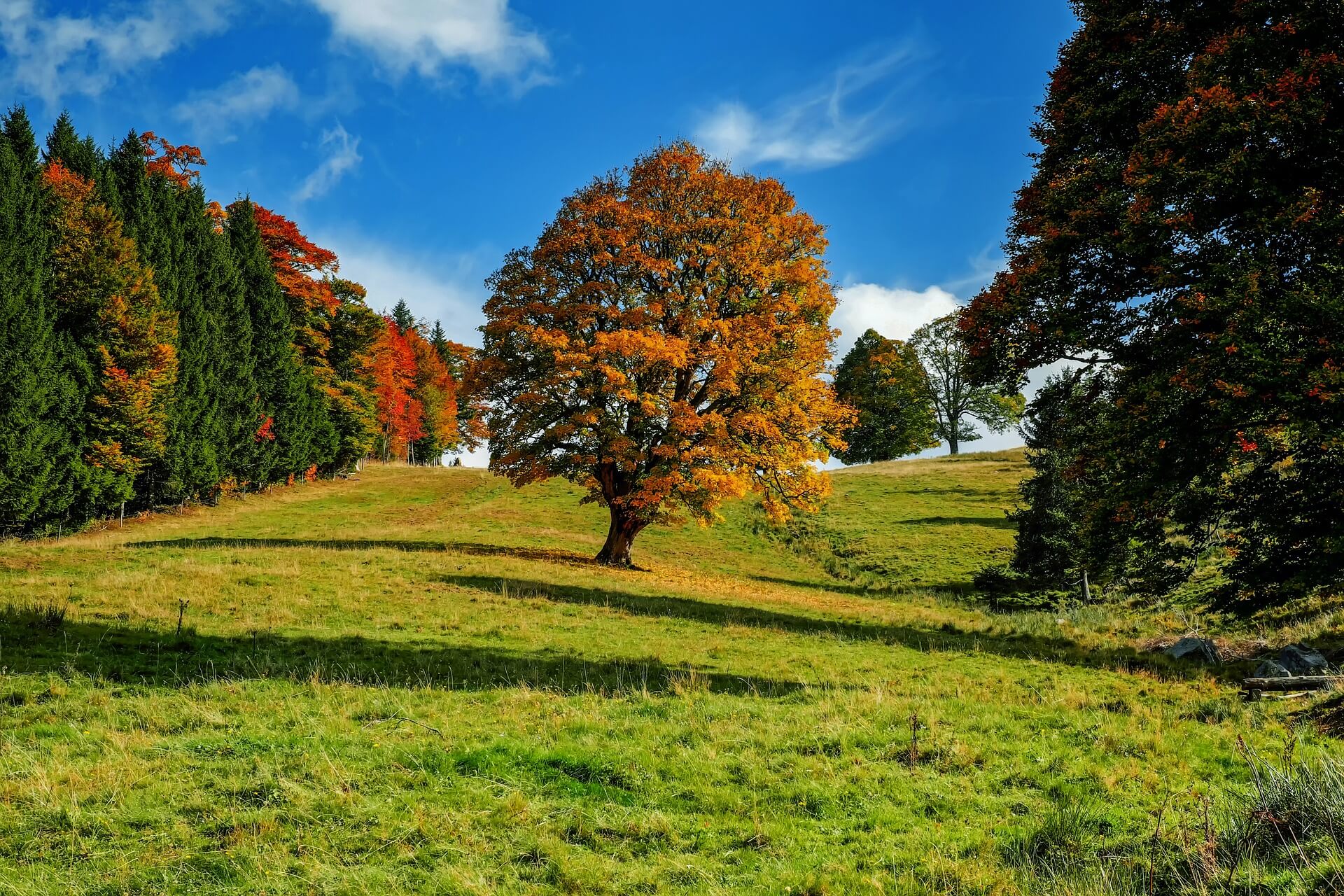
Autumn is a glorious time of year.  Grass has recovered from the heat of summer and looks green rather than straw, whilst trees and shrubs exhibit vibrant colours of red, orange and brown.  Of course, it can also be a time of storms with heavy rain and gales as the daylight dwindles and nights turn colder.

The colours of autumn vary with the weather.  The green of plants is due to the chlorophyll, the wonderful substance that can absorb sunlight and carbon dioxide to produce sugars and emit oxygen.  At this time of year, deciduous plants are beginning to close down for winter, brought on by falling temperatures and shorter daylength.  Lower temperatures destroy chlorophyll but the leaves contain other pigments including yellow xanthophyll, orange carotene and red anthocyanin, which come to the fore as the chlorophyll declines.  On warm days as the sugars become more concentrated more anthocyanin is produced enhancing the red colour.  Hard frosts however, destroy the other pigments too and the leaves soon fall off.  The best autumn colours can be seen in a period of warm sunny days and cold, but not frosty nights.

Continue reading “Autumn”

English Wine

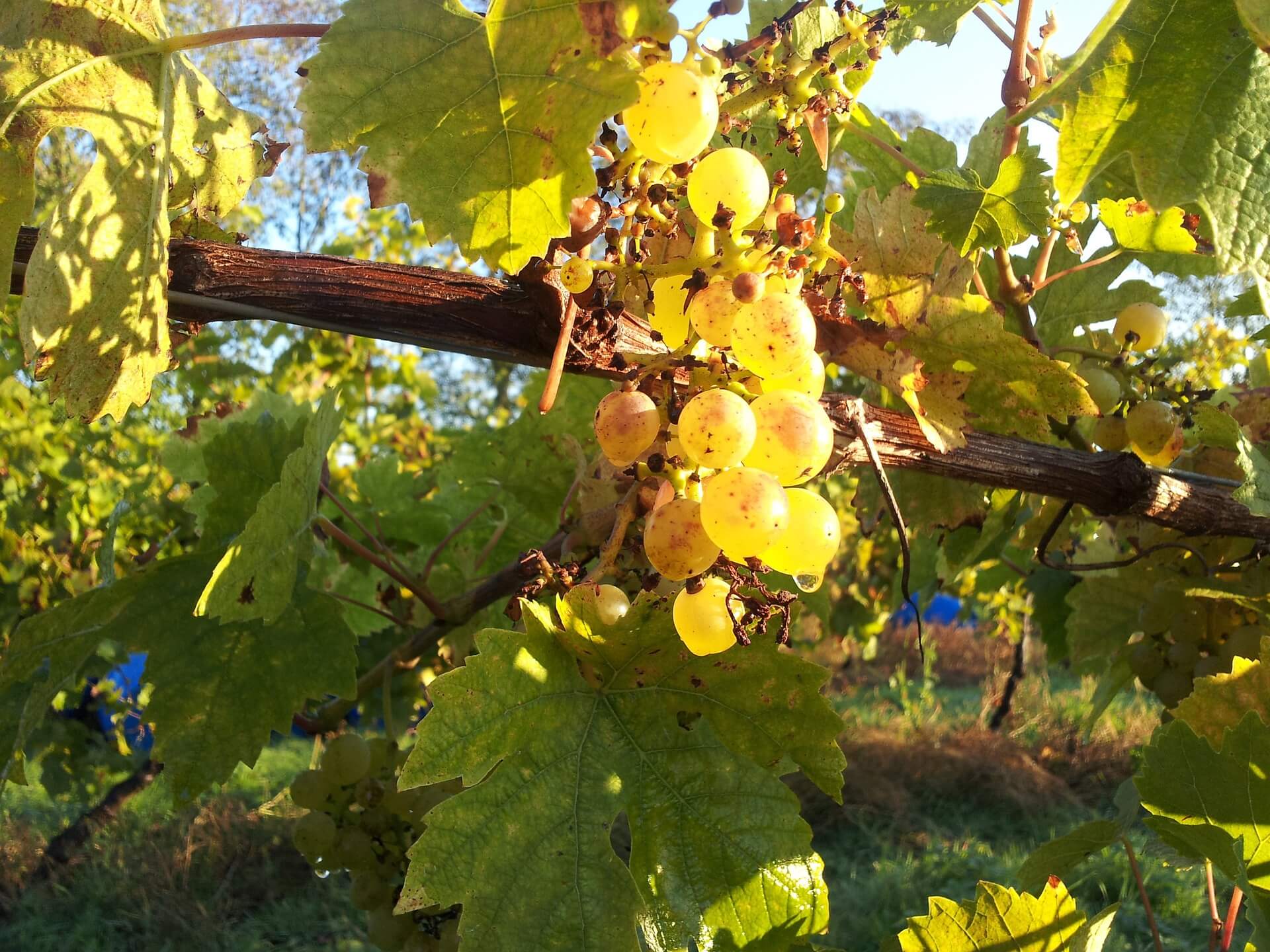
2022 may be an exceptional vintage for English wines.  2018 was the best year so far but this harvest may match or even surpass it.  The reason, of course, was the long hot summer; indeed the extent of climate change is gradually turning the UK into a primary wine producing country with success in international competition.

            We have come a long way in thirty years.  It was thought that growing grapes in this country was a risky business because of the threat of late frosts and cool damp summers, ideal for the spread of mildew.  The varieties grown thirty years ago were mostly German style varieties, the most popular grown in 1990 was Müller-Thurgau.  But the warming climate has allowed more French style varieties to be grown, this year the most popular are Chardonnay, Pinot Noir and Pinot Meunier, best known as the blend for champagne.

Continue reading “English Wine”