Category: Uncategorized

The Oxford Farming Conference

The Oxford Farming Conference seemed a little subdued this year.  The decision was taken very late to hold it online rather than in person due to continuing Covid restrictions but it received limited media coverage other than the Secretary of State’s speech.  The Oxford Real Farming Conference, the alternative event held at the same time, also online, attracted even less.

            The main talking point of George Eustice’s talk was the announcement of new details of the Local Nature Recovery and Landscape Recovery elements of the Environmental Land Management Scheme (ELMS).  That was how it was billed but, in all truth, there was very little new detail even in the Defra papers that accompanied the speech.  They mainly described how development is still progressing.

Continue reading “The Oxford Farming Conference”
Tree planting

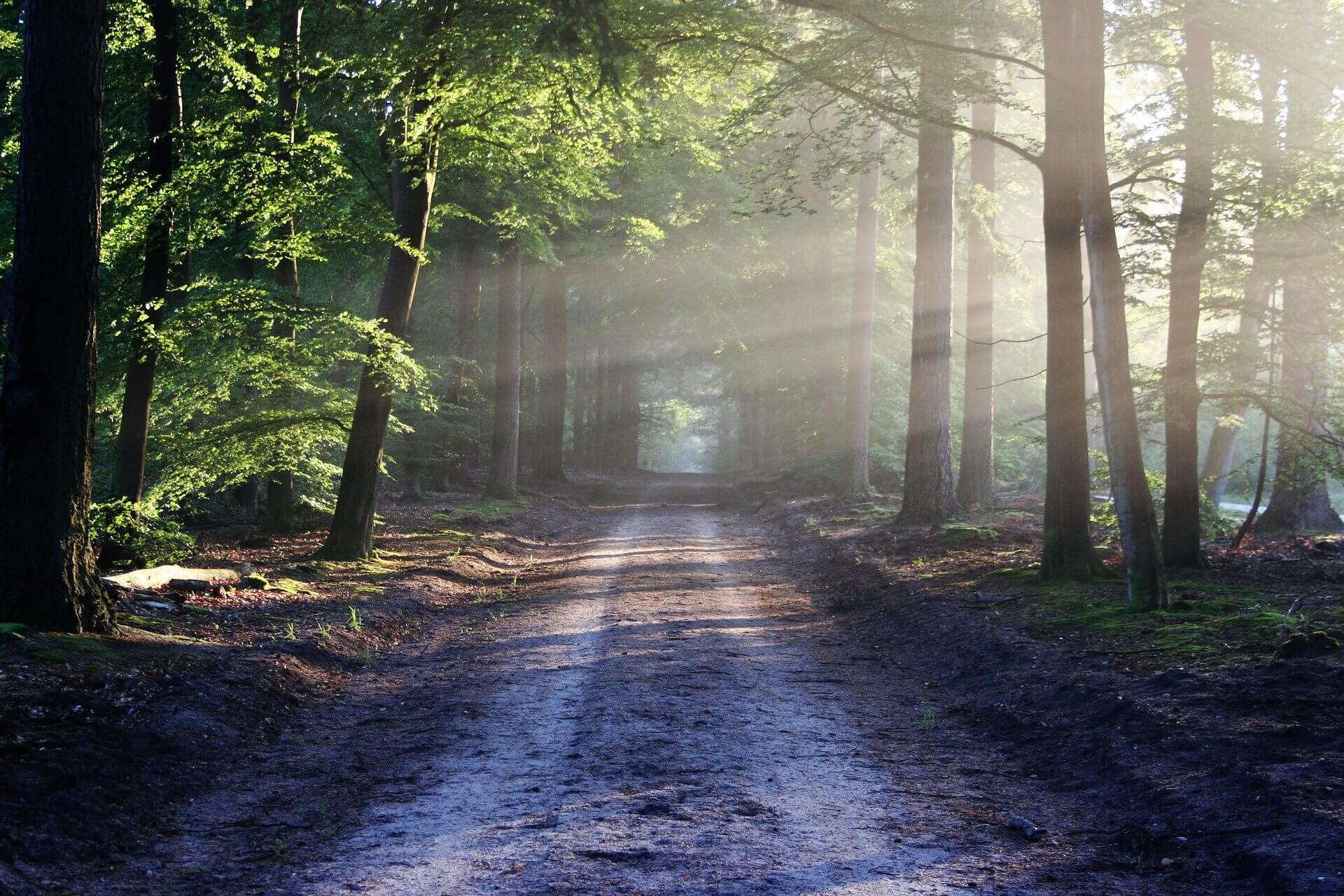
There are several reasons for planting trees, some mutually incompatible.  In past centuries woods were established primarily for sporting purposes, hunting and shooting, which is why we have so many small farm woodlands.  These mixed species woods with glades and rides are also good for wildlife, another reason for planting.  Then there are forests established for timber, for furniture, construction, fencing, pallets and fire wood.  Here the density needs to be greater to ensure tall straight growth with fewer side branches.  Whilst hardwoods are planted, the majority is conifer because it is quicker growing.  Much of the expansion of forest established by the Forestry Commission over the past century has been of Sitka spruce, but a dense plantation of conifer for timber production provides very little habitat for wildlife.

Continue reading “Tree planting”

New Year

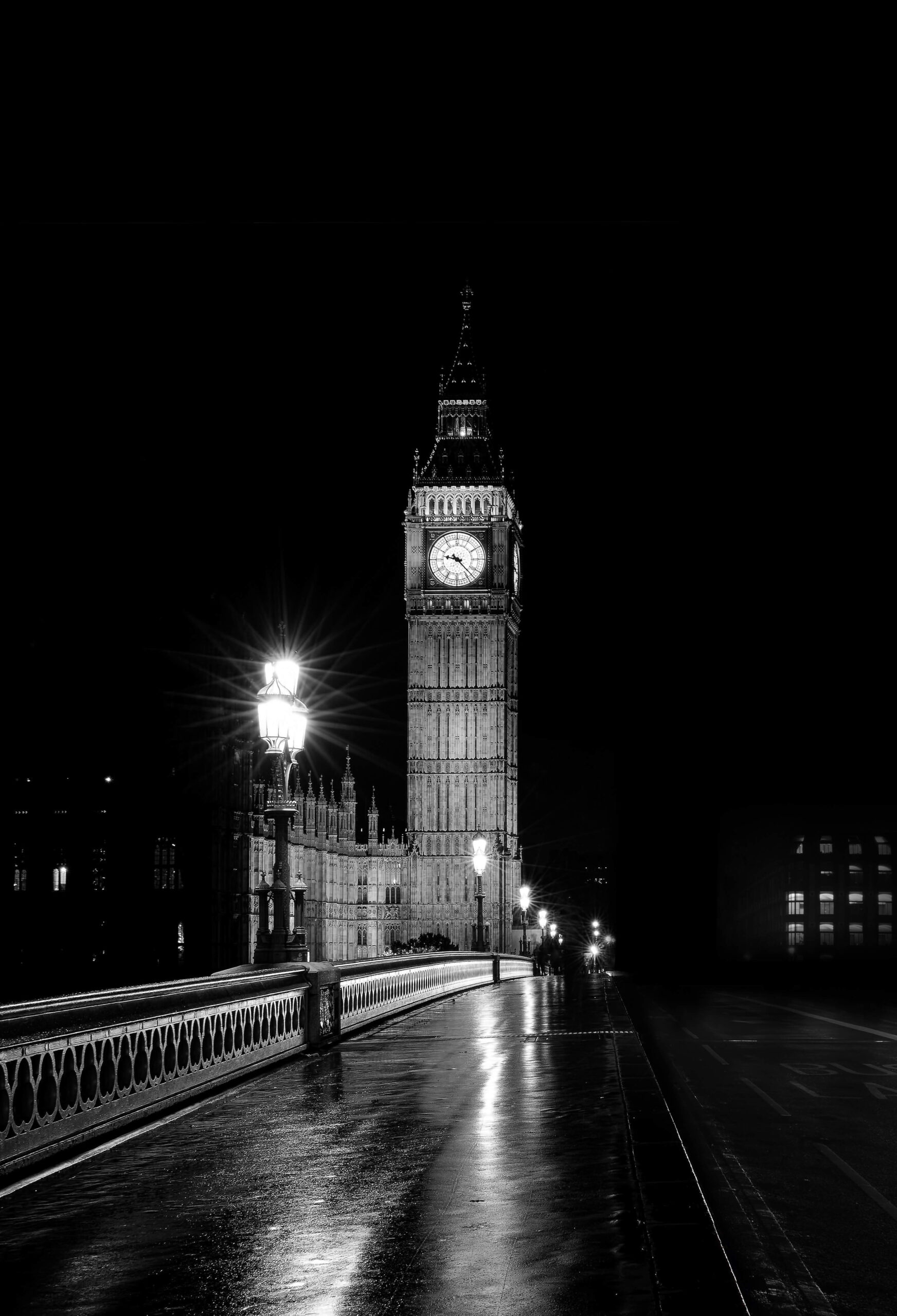
The turn of the farming year comes at Michaelmas in late September rather than now.  That is the time when harvest yields are reckoned, cropping plans for the coming year implemented.  Ewes are flushed to increase ovulation before the tups join them and winter housing is prepared for cattle.  And yet it is customary, as Big Ben rings in the new calendar year, to reflect on the twelve months gone and look forward to the seasons to come.

Continue reading “New Year”

The Cholderton Estate

            Henry Edmonds has lived at Cholderton all his life and has farmed there since his father died forty five years ago.  The estate is 2,500 acres of Grade 3 and 4 land, thin soils over chalk.  When he came home from college, thinking he knew a thing or two, Henry planted barley in the confident expectation of achieving two tonnes per acre.  He was bitterly disappointed when he managed only twelve cwt and realised that a new approach was needed.  He determined to increase the organic matter and fertility of his soils using grazing livestock on long leys and converted to organic status.  Now he grows two tonnes of barley per acre without any fertiliser or pesticides.

Continue reading “The Cholderton Estate”

Sewage Discharges

Somewhat surprisingly, the Thames is the most photogenic of all rivers according to an American travel website.  To demonstrate that claim, it has found that the Thames is mentioned more frequently on Instagram than any other river in Europe.  Even more surprising is a report from the Zoological Society of London which states that the Thames is ‘a rich and varied home for wildlife’ after being declared biologically dead sixty years ago.

            And yet there has been a lot of publicity recently about the discharge of raw sewage into rivers and coastal waters.  There has been passionate debate during the passage of the Environment Bill, now enacted, through both Houses of Parliament with claims that the Government is not taking enough action to remedy the situation, specifically that the powers conferred by the Act are not sufficient to force water companies to stop the practice.  Despite numerous amendments and intense lobbying, the Act only requires the Government to ensure that water companies secure a progressive reduction in the adverse impacts of discharges from storm overflows.

Continue reading “Sewage Discharges”

Shooting season

As we head into November, we are entering the main period of the shooting season, thankfully free of the Draconian Covid restrictions it faced during the last one.  The start was not auspicious as the Glorious Twelfth, the opening of the grouse season in August, was not as resounding success.  Grouse are entirely natural, not reared and released, and thus vulnerable to vagaries of the weather and other limiting factors.  The cold late spring and wet May were less than ideal for chick survival so grouse numbers have been low this year.  This has resulted in many shoot days cancelled or reduced.

Continue reading “Shooting season”

Commons Land

Commons make up some of our most cherished landscapes in Britain, not least because there is open public access across them.  They date back hundreds of years and have their origins in mediaeval patterns of land use.

            The feudal system of farming was adopted in the Middle Ages.  Large estates were held for the king by nobles who were obliged to provide men to serve the crown in times of war or insurrection.  In turn, Lords of the Manor held smaller holdings on a similar basis.  Farming was carried out for the Lord of the Manor by villagers, most of whom also held commoners’ rights to enable them to farm on their own account.  Land around the village suitable for arable cropping was laid out in strips with each commoner entitled to cultivate a number of strips.  There were usually three fields; one for cereals, perhaps winter wheat, one for spring cropping, turnips or other restorative crops, and one for fallow to recover fertility.

Continue reading “Commons Land”

Carbon Trading

Food production may be the most significant use of rural land in this country, but there are many others that provide benefits, notably nature conservation, public access and mitigation of climate change.  As the environment sits at the top of many political agendas, so these other land uses are promoted.  The UK’s secession from the European Union and thus the Common Agricultural Policy means that we are developing our own agricultural and environmental policies.  Direct subsidies to farmers are being phased out to be replaced by public money for public goods.  But funding is increasingly coming from the private sector too.

Continue reading “Carbon Trading”

September is a glorious month in the British countryside

September is a glorious month in the British countryside, especially when we have the weather we have enjoyed for most of the last month. The mornings are cool with heavy dews and diaphanous mists that clothe the valleys and give way to warm sunshine. The light is clear and golden, the air heady with the scent of ripe fruit. Colours change as the autumn advances, the green of leaves turning to yellow, orange and reds, the straw-coloured stubbles become brown as the soil is tilled.

Continue reading “September is a glorious month in the British countryside”

Grant Scheme

As the Environment Bill completes its parliamentary stages, the Government’s plans for the countryside are becoming clearer.  There have been numerous amendments debated; it is a large and critical piece of legislation as we are now free to set our own policies.   Ministers have resisted any legally binding targets for biodiversity but have agreed to ‘halt’ the decline in the abundance of species rather ‘further the objective of halting’.

Continue reading “Grant Scheme”