
Tag: farming

Seismic Shifts

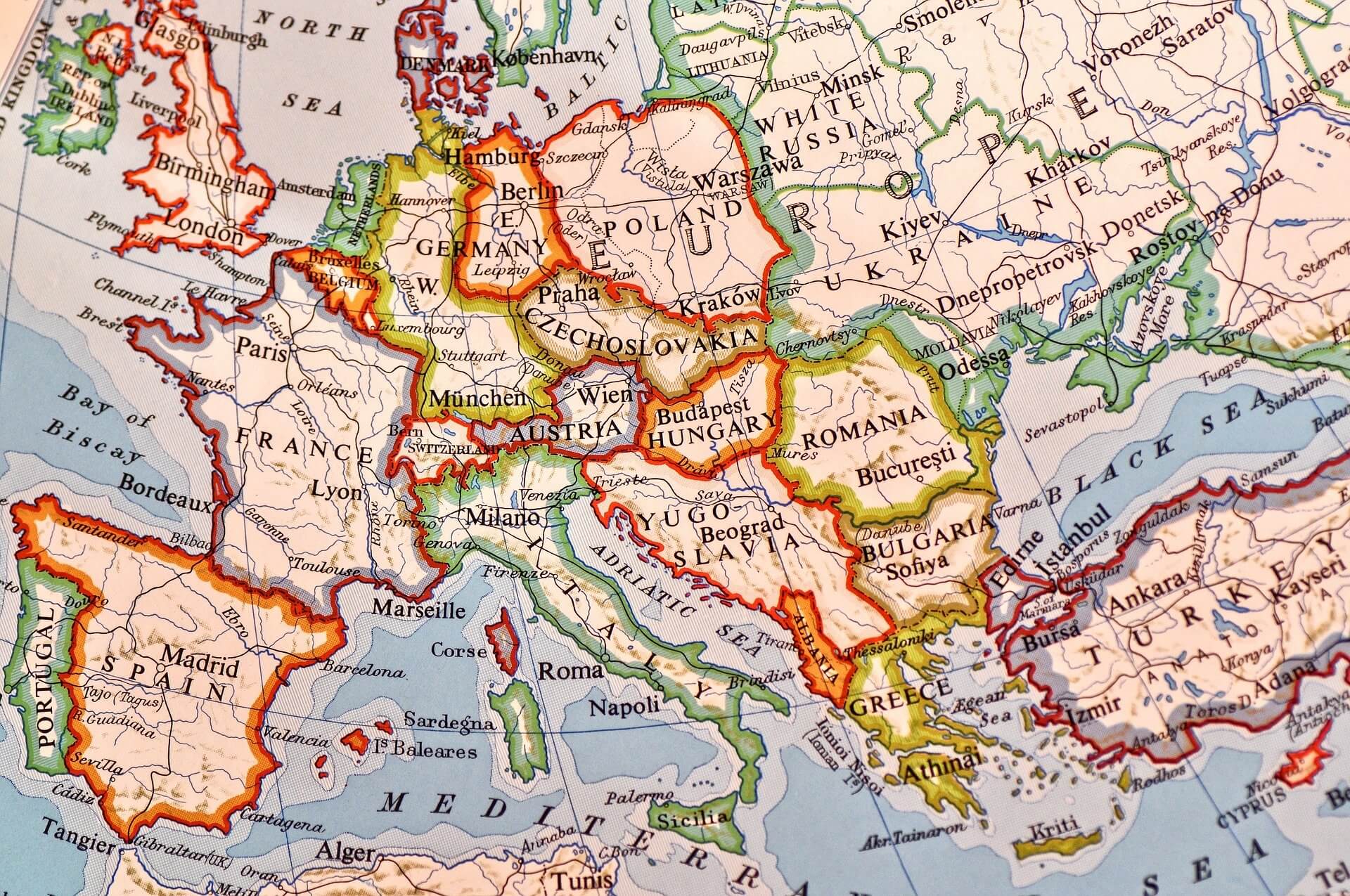
The world has changed dramatically over the past few years.  Only time will tell how far the tectonic plates have shifted and whether life will ever be the same again.  In the UK, the pressure has been felt particularly in the countryside and the food chain.

            The first seismic shock came in 2016 when we voted to leave the European Union, although the impact came later on our subsequent secession.  That meant that we left the Common Agricultural Policy and had to design a new farming and countryside policy from scratch.  This has been a very slow process and we still have few details other than that direct payments are being phased out and, instead, farmers will be paid public money for public goods.  This is the most fundamental shift in policy since the Second World War and will inevitably cause difficulties along the way.  Brexit brought major disruption to our trade with the EU, by far our largest trading partner.  Some of that disruption has been smoothed over but much of it remains.  Another impact of secession was the end of the free movement of labour, which caused huge shortages that persist today due to a totally misguided immigration policy.

Continue reading “Seismic Shifts”
Spring review

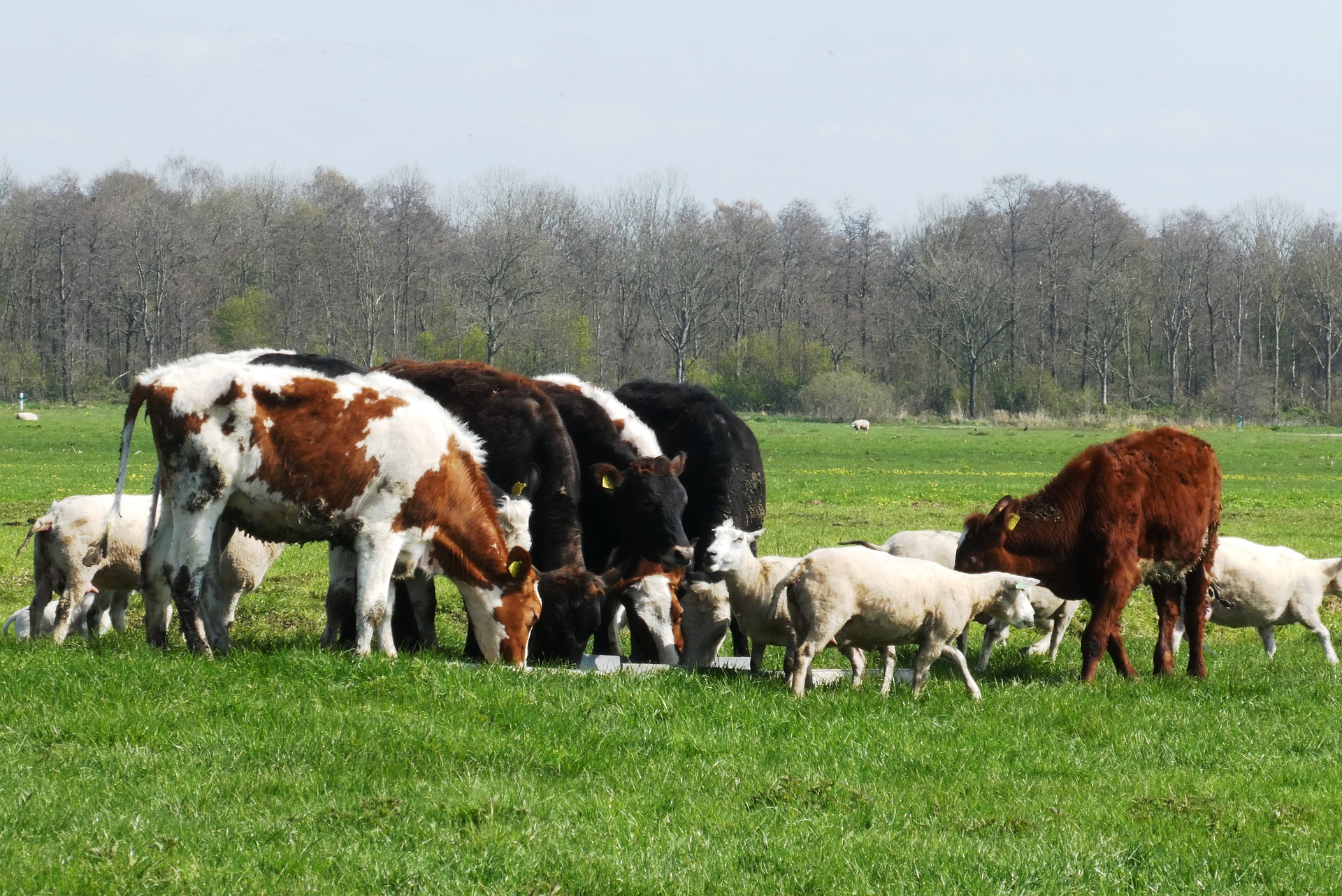
February is a quiet month on the farm.  Cows, snug in winter housing, are milked as usual but young stock and beef cattle my still be at pasture if the ground is dry enough.  Spring work on arable farms has barely started as growth of winter sown crops is limited by short days and cool soils.  Many farms run shoots as a diversification enterprise but the shooting season ends on 1st February.

            Overall it has been a warm dry winter in this part of the country.  February will be remembered for the three named storms that came sweeping in from the Atlantic in a week, but that was the exception.  Although February rainfall was above average, January was exceptionally dry so soils are wet on the surface but very dry further down the profile.

            On our predominantly light chalk soils, the drilling of spring crops can start in February or even late January if soil conditions allow, but there is a trend for most farmer to prefer to wait until March.  There were opportunities in late February but most planting has taken place recently or is still to be completed.  Such is the uncertainty caused by the legacy of the Covid pandemic and now the war in Ukraine that arable farmers have some very difficult choices to make this spring.

Continue reading “Spring review”

The Cholderton Estate

            Henry Edmonds has lived at Cholderton all his life and has farmed there since his father died forty five years ago.  The estate is 2,500 acres of Grade 3 and 4 land, thin soils over chalk.  When he came home from college, thinking he knew a thing or two, Henry planted barley in the confident expectation of achieving two tonnes per acre.  He was bitterly disappointed when he managed only twelve cwt and realised that a new approach was needed.  He determined to increase the organic matter and fertility of his soils using grazing livestock on long leys and converted to organic status.  Now he grows two tonnes of barley per acre without any fertiliser or pesticides.

Continue reading “The Cholderton Estate”